🌐 USDT Mixer — Private. Secure. Effortless.
Maintain complete anonymity when transferring USDT TRC20. 🔐
No accounts, no personal data, no logs — simply clean transactions 24/7. ⚡
Low service fees starting from 0.5%.
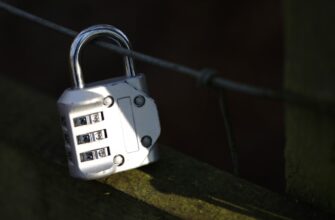
When it comes to cryptocurrency, securing your wallet is paramount. A crypto wallet is more than just a digital storage for your assets—it’s a critical component of your financial security. Unfortunately, hackers are constantly evolving their methods to exploit vulnerabilities in wallets. This article will guide you through the best practices for protecting your crypto wallet from hackers, covering everything from basic security measures to advanced protection strategies.
### Understanding Crypto Wallets and Their Vulnerabilities
A crypto wallet is a tool that allows you to store, send, and receive digital assets like Bitcoin, Ethereum, and others. While wallets themselves are not inherently secure, they can be vulnerable to attacks if not properly protected. Common vulnerabilities include weak passwords, unsecured private keys, and phishing scams. Understanding these risks is the first step in safeguarding your assets.
### Best Practices for Protecting Your Crypto Wallet
1. **Use Strong Passwords and Enable Two-Factor Authentication (2FA)**: A strong password is the first line of defense. Avoid using easily guessable passwords like ‘123456’ or ‘password’. Enable 2FA on your wallet and exchange accounts to add an extra layer of security. For example, using an authenticator app like Google Authenticator or Authy can prevent unauthorized access.
2. **Store Private Keys Securely**: Your private key is the only way to access your funds. Never share it with anyone, and store it in a secure location. Consider using a hardware wallet, which stores keys offline, reducing the risk of hacking. For instance, $$Trezor$$ or $$Ledger$$ are popular hardware wallets that provide robust security.
3. **Avoid Phishing Scams**: Be cautious of suspicious links or emails that claim to be from your wallet provider. Verify the sender’s email address and avoid clicking on links from unknown sources. If you’re unsure, contact the provider directly.
4. **Regularly Update Software**: Keep your wallet and exchange apps updated to the latest version. Developers often release updates to fix security vulnerabilities. For example, $$Bitcoin Core$$ and $$Ethereum Wallet$$ frequently update to address new threats.
5. **Use a Secure Network**: Always connect to trusted Wi-Fi networks and avoid public internet access when managing your wallet. Hackers can intercept data transmitted over unsecured networks, leading to potential breaches.
### Common Threats to Crypto Wallets and How to Counter Them
Hackers often target crypto wallets through phishing, malware, and social engineering. Here’s how to counter these threats:
– **Phishing Attacks**: These involve fake websites or emails that mimic legitimate services. Always double-check URLs and avoid entering sensitive information on unverified sites.
– **Malware**: Malicious software can steal private keys or encrypt your data. Use antivirus software and avoid downloading apps from untrusted sources.
– **Social Engineering**: Hackers may impersonate support staff to trick you into revealing your keys. Stay vigilant and verify any requests for sensitive information.
### Advanced Security Measures for Enhanced Protection
For added security, consider these advanced measures:
1. **Use a Cold Wallet**: A cold wallet is a hardware device that stores keys offline, making it immune to online attacks. This is ideal for long-term storage of large amounts of cryptocurrency.
2. **Enable Multi-Signature (Multi-Sig) Wallets**: Multi-sig wallets require multiple signatures to authorize a transaction, adding an extra layer of security. For example, a $$multi-sig wallet$$ using $$Bitcoin$$ might require two private keys to complete a transaction.
3. **Backup Your Wallet**: Regularly back up your wallet to an external drive or cloud storage. Ensure your backups are stored in a secure location, and never share them with anyone.
4. **Use a Paper Wallet**: A paper wallet is a physical document containing your private key and public address. While less convenient, it’s highly secure if stored properly.
### FAQ: Frequently Asked Questions About Crypto Wallet Security
**Q: How can I tell if my crypto wallet is hacked?**
A: Signs of a hack include unauthorized transactions, missing funds, or alerts from your wallet provider. If you notice any of these, immediately check your transaction history and contact support.
**Q: What should I do if my wallet is compromised?**
A: If your wallet is hacked, immediately change your passwords, disable 2FA, and contact your wallet provider for assistance. If you have a backup, restore your wallet from it to regain control.
**Q: Is it better to use a hardware wallet or a software wallet?**
A: Hardware wallets are generally more secure because they store keys offline. Software wallets are convenient but less secure if not properly protected. Choose based on your needs and risk tolerance.
**Q: Can I use a paper wallet for all types of cryptocurrency?**
A: Yes, paper wallets can be used for any cryptocurrency, but they require careful handling. Always store them in a safe, dry place and avoid exposing them to water or fire.
**Q: How often should I update my wallet software?**
A: Update your wallet software regularly to ensure you have the latest security patches. Check for updates through the official website or app store. For example, $$Bitcoin Core$$ releases updates every few months to address new threats.
By following these best practices and staying informed about emerging threats, you can significantly reduce the risk of your crypto wallet being hacked. Remember, the security of your digital assets depends on your vigilance and proactive measures. Stay secure and protect your investments!
🌐 USDT Mixer — Private. Secure. Effortless.
Maintain complete anonymity when transferring USDT TRC20. 🔐
No accounts, no personal data, no logs — simply clean transactions 24/7. ⚡
Low service fees starting from 0.5%.