🌐 USDT Mixer — Private. Secure. Effortless.
Maintain complete anonymity when transferring USDT TRC20. 🔐
No accounts, no personal data, no logs — simply clean transactions 24/7. ⚡
Low service fees starting from 0.5%.
- Why Guarding Your Ledger Is Non-Negotiable
- Step 1: Identify Your Ledger Type and Risks
- Step 2: Implement Robust Access Controls
- Step 3: Encrypt Data Relentlessly
- Step 4: Establish Automated Backups
- Step 5: Monitor and Audit Activity
- Step 6: Fortify Physical Security (If Applicable)
- Step 7: Update Systems and Software
- Step 8: Train Users Continuously
- FAQ: Guarding Ledgers Safely Explained
Why Guarding Your Ledger Is Non-Negotiable
Whether it’s a financial ledger tracking company transactions, a blockchain wallet ledger, or a personal record-keeping system, ledgers are the backbone of accountability and security. A compromised ledger can lead to catastrophic data breaches, financial loss, or irreversible corruption. This step-by-step guide demystifies how to guard your ledger safely—covering digital and physical formats—with actionable strategies to fortify your data against threats.
Step 1: Identify Your Ledger Type and Risks
Before implementing safeguards, understand what you’re protecting:
- Digital Ledgers: Blockchain ledgers (e.g., crypto wallets), accounting software, or spreadsheets. Vulnerable to hacking, malware, and unauthorized access.
- Physical Ledgers: Paper journals or logbooks. At risk of theft, damage, or environmental hazards like fire or water.
- Hybrid Systems: Scanned documents stored digitally. Face dual threats from physical and cyber risks.
Assess specific threats: For digital, prioritize cyberattacks; for physical, focus on storage security.
Step 2: Implement Robust Access Controls
Restrict access to authorized personnel only:
- Use multi-factor authentication (MFA) for digital systems (e.g., SMS codes or authenticator apps).
- Assign role-based permissions (e.g., “view-only” for junior staff, “edit” for managers).
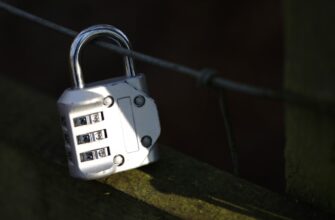
- For physical ledgers, store them in locked cabinets with limited key holders. Log access manually or via digital trackers.
Pro Tip: Review user permissions quarterly to revoke access for departed employees.
Step 3: Encrypt Data Relentlessly
Encryption converts readable data into coded text, blocking unauthorized interpretation:
- At Rest: Encrypt entire drives (use BitLocker for Windows or FileVault for Mac) or ledger files (via AES-256 encryption tools like VeraCrypt).
- In Transit: Enable SSL/TLS protocols for online ledger access. Avoid public Wi-Fi for sensitive updates.
- For Physical Copies: Digitize and encrypt scans; store originals in fireproof safes.
Step 4: Establish Automated Backups
Backups are your safety net against data loss. Follow the 3-2-1 rule:
- 3 Copies: Primary data + two backups.
- 2 Formats: e.g., Cloud storage + external hard drive.
- 1 Off-Site: Keep one backup geographically separate (e.g., cloud services like AWS or encrypted USB in a bank vault).
Automate backups daily using tools like Acronis or built-in OS schedulers. Test restoration quarterly.
Step 5: Monitor and Audit Activity
Continuous oversight detects anomalies early:
- Enable audit logs to track user actions (logins, edits, deletions).
- Use intrusion detection systems (IDS) like Splunk for real-time alerts on suspicious activity.
- Conduct monthly audits: Cross-check ledger entries with bank statements or transaction IDs (for blockchain).
Step 6: Fortify Physical Security (If Applicable)
For tangible ledgers or hardware:
- Store in climate-controlled, fireproof safes with tamper alerts.
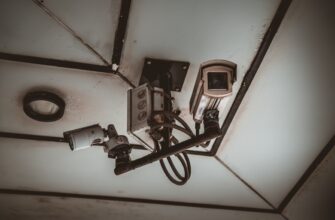
- Install surveillance cameras in storage areas.
- Limit on-site access using keycards or biometric scanners.
Step 7: Update Systems and Software
Outdated tools are hacker gateways:
- Patch operating systems, ledger software, and security tools within 48 hours of updates.
- Replace unsupported hardware (e.g., old servers).
- Use antivirus/anti-malware solutions with real-time scanning (e.g., Norton or Malwarebytes).
Step 8: Train Users Continuously
Human error causes 95% of breaches. Educate teams on:
- Recognizing phishing emails targeting ledger credentials.
- Secure password practices (e.g., 12+ characters, no reuse).
- Reporting lost devices or suspicious activity immediately.
Conduct simulated attack drills biannually.
FAQ: Guarding Ledgers Safely Explained
Q: How often should I back up my ledger?
A: Daily for active ledgers; weekly for low-activity systems. Always after major updates.
Q: Can blockchain ledgers be hacked?
A: While blockchain is decentralized and tamper-resistant, private keys or exchange platforms can be compromised. Guard keys like Step 2–4.
Q: What’s the biggest mistake in ledger security?
A: Using weak passwords or storing digital ledgers on unencrypted devices. Always enforce MFA and encryption.
Q: Are paper ledgers safer than digital?
A: Not inherently—both require rigorous protocols. Digital offers better audit trails; physical avoids cyber risks but is prone to physical damage.
Q: How do I recover a corrupted ledger?
A: Restore from your most recent backup (Step 4). For blockchain, use seed phrases; for accounting software, consult version history.
Final Tip: Combine these steps into a Ledger Security Policy document. Revisit it annually to adapt to new threats. Your ledger isn’t just data—it’s trust. Guard it fiercely.
🌐 USDT Mixer — Private. Secure. Effortless.
Maintain complete anonymity when transferring USDT TRC20. 🔐
No accounts, no personal data, no logs — simply clean transactions 24/7. ⚡
Low service fees starting from 0.5%.